
Milking Performance
Tips to Optimize Your Milk Performance
Monitor udder health regularly by reviewing all udder health and milk quality information provided by the dairy plant, official testing organizations, veterinary clinics, and on-farm testing.
Milking order is critical regardless of housing system or herd size. Start with first-calf heifers, followed by fresh cows, and then the main herd.
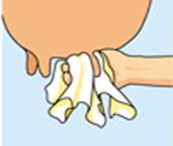
Clean Teats Before Milking
Clean teats and teat ends using approved materials, then dry each teat with a single-use towel. Clean, dry teats are essential for mastitis control and high milk quality.
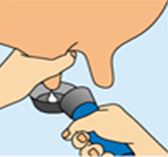
Foremilk Testing
Foremilk cows by removing 2–3 squirts and examining it before attaching milking units.
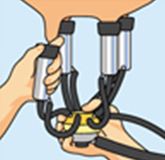
Attach Milking Units Correctly
Attach milking units properly and avoid over-milking, which can cause teat end damage. Remove clusters once the udder is fully emptied.
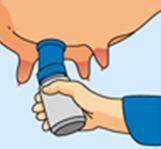
Post-Milking Teat Sanitation
Sanitize teats immediately after milking using approved teat spray or dip to prevent the spread of contagious mastitis organisms.
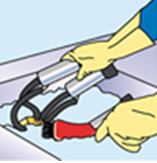
Clean Milking Equipment
Clean all equipment immediately after milking using proper detergents at the correct temperature. Ensure the system drains fully.
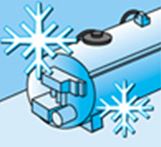
Proper Milk Cooling
Ensure milk is cooled immediately after milking. Proper refrigeration slows bacterial growth and preserves milk quality.
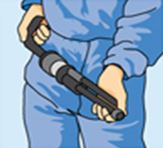
Monitor Milk Quality
Regularly review milk quality, composition, and equipment performance data, comparing it with historical trends to maintain optimal output.